Earth System Science Lab
  • Home
  • Research
  • Methods
  • Publications
  • Teaching
  • Our Mission
  • Gallery
  • Contact

Earth System Science Lab

University of Zurich

Earth System Science Lab

We study the Arctic as a component of the Earth system, from field plots to satellites and climate models.

Our Research
Linking Arctic Industrial Activity and Ecological Processes through artificial light at night (ALAN) World Biodiversity Forum Arctic Vegetation Archive: data integration Predicting Arctic Tundra Ecosystem development & future fire regimes (ARTECO) Image: ARSUSDA, via Wikimedia CommonsDarkening the Arctic: Bioalbedo Feedbacks from Snow and Ice Algae Towards terrestrial Arctic conservation framework Image: M. TimpeThe Earth System in the Space Age Image: Gabriela Schaepman-StrubVegetation greenness in response to muskox carcasses in the High-Arctic tundra The impact of mountain greening on the alpine plant diversity Association between Local Tree Sparrow Population Declines and Recent Changes in Agricultural Practices

Linking Arctic Industrial Activity and Ecological Processes through artificial light at night (ALAN)

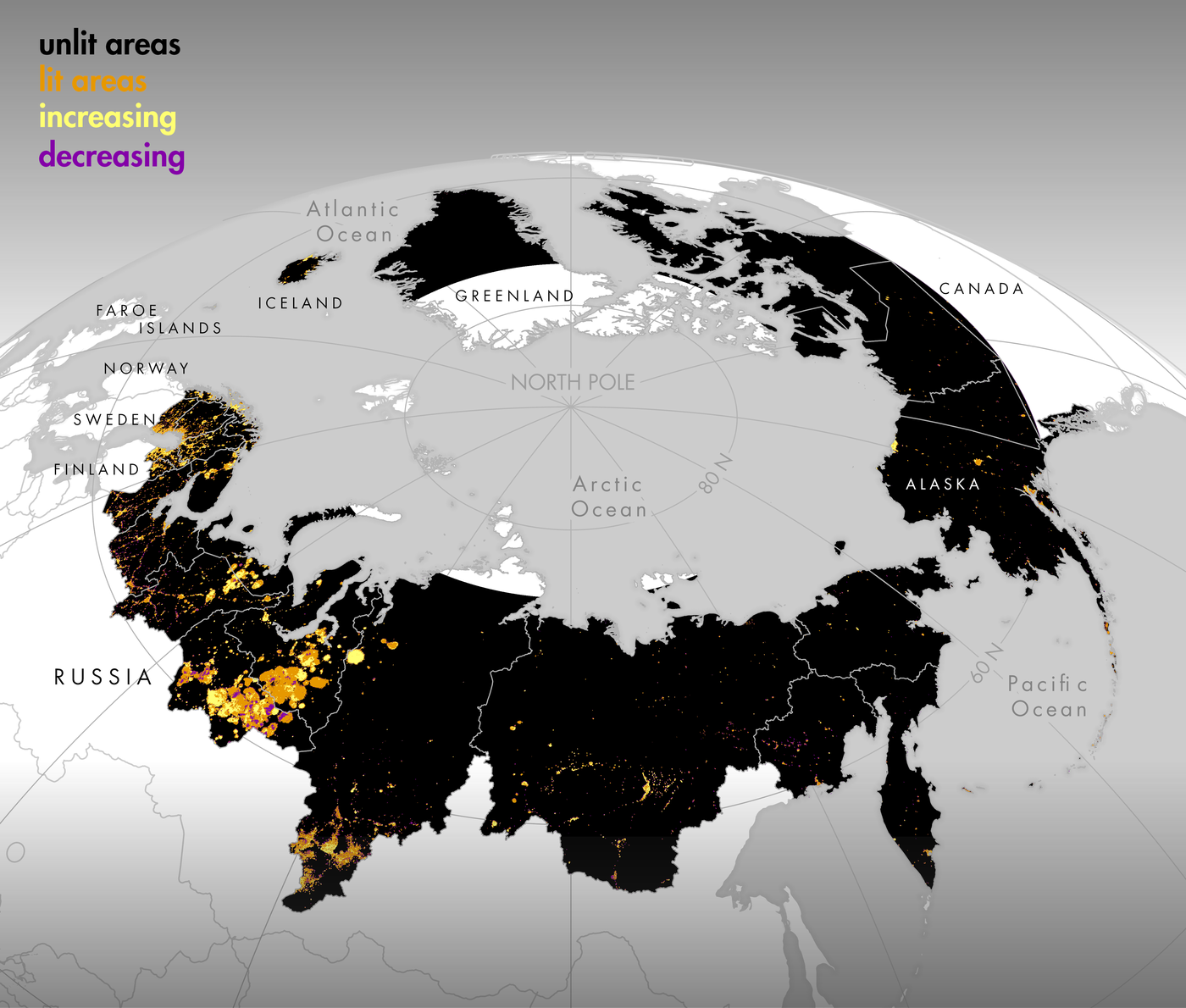
We use ALAN as a proxy for economic activity to understand the possible impacts of industrial activity on ecological processes. Our PNAS study mapped hotspots and rapid expansion of industrial activity, providing a spatial indicator that connects economic development with ecological processes. Our Communications Earth & Environment study found that Arctic fire occurrence was approximately 2.5 times higher in illuminated areas than in comparable unlit areas, highlighting the importance of human activity alongside climate in understanding Arctic fires.

World Biodiversity Forum

The World Biodiversity Forum brings together researchers across disciplines and career stages, practitioners and societal actors to explore options and solutions to foster biodiversity in an equitable and just manner.

Save the date for the 5th WBF edition in Davos from June 18 – 23, 2028!

The 4th World Biodiversity Forum took place from June 14 – 19, 2026, under the theme “Leading Transformation Together” (WBF2026). WBF2026 convened over 1’200 registered participants from 66 countries and 776 institutions at the Congress Centre in Davos, Switzerland. Participants delivered 910 scientific abstracts across 79 sessions and 43 workshops, facilitating knowledge exchange, innovation, and collaboration around biodiversity conservation, finance, policy, and sustainability.

Furthering the theme of “Leading Transformation Together”, the plenary keynote presentations centred around accelerating transformative action for biodiversity through science enabling recovery, emphasis on health benefits, artificial intelligence, rights-based governance, Indigenous knowledge and contributions to biodiversity, systems transformation and new perspectives on science-policy interactions. Further, participants engaged in an ArtsxScience programme component.

The full recording of the opening by the Chair, Gabriela Schaepman-Strub, the keynote by Becky Chaplin-Kramer and the opening panel discussion led by Fiona Harvey, Environment Editor at the Guardian, can be viewed here.

The WBF2026 conference resolution highlights the trends and key messages that arose from the collective contributions and discussions. Specifically, it recommends all relevant parties to:

  1. stand for biodiversity and acknowledge Nature’s contributions,
  2. co-create diverse visions for biodiverse futures, and
  3. lead transformative change toward desirable futures.

Arctic Vegetation Archive: data integration
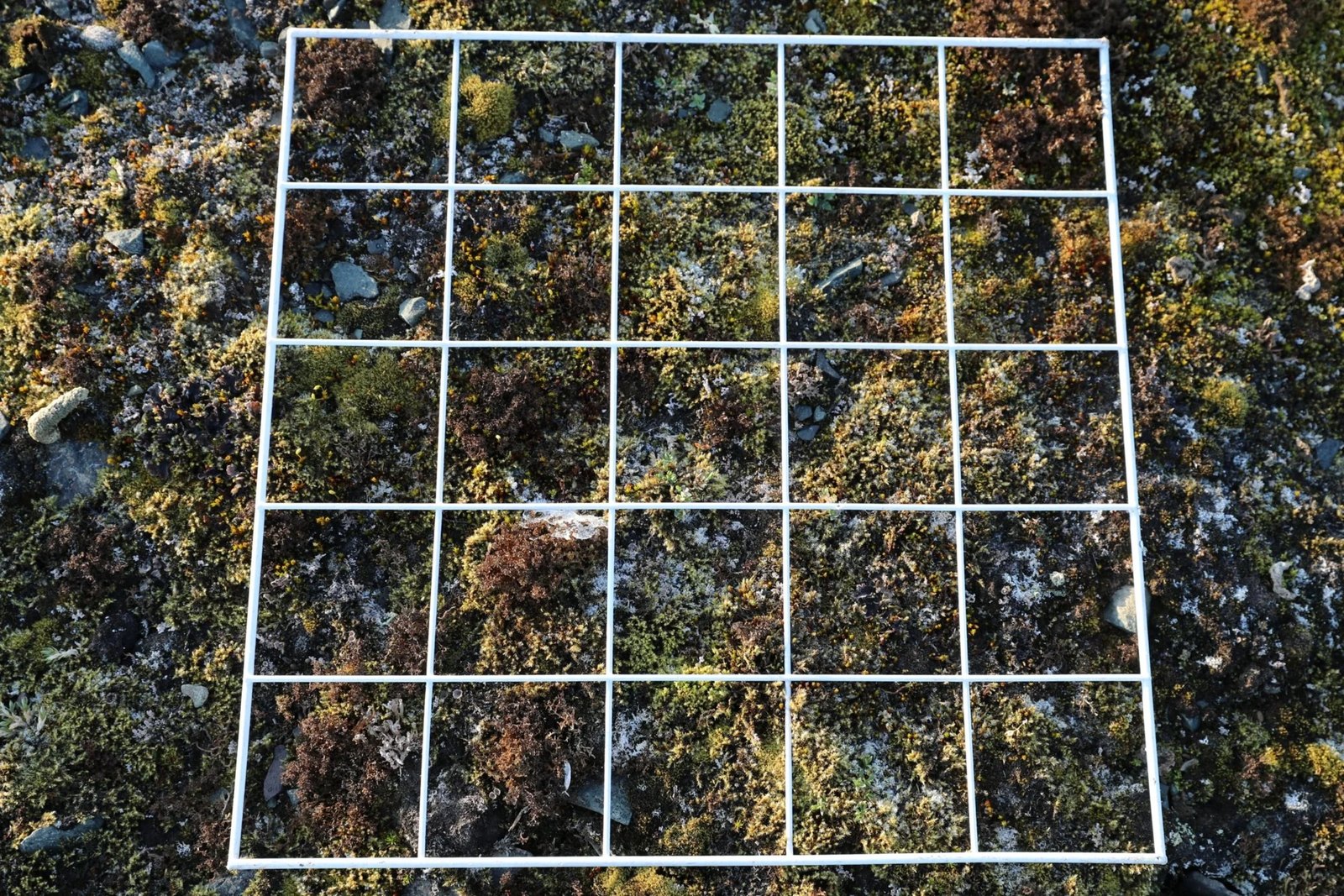
The Arctic Vegetation Archive (AVA) is a comprehensive data repository for vegetation-plot observations (relevés) and local floras collected across the circumpolar region. Its primary goal is to establish and maintain a unified meta-database to harmonize vegetation data from the Arctic tundra biome.

In collaboration with the AVA team, we are harmonizing thousands of plot records from Alaska, Greenland, Svalbard, and Russia. All plots feature complete vascular plant lists, with the majority also including bryophyte and lichen identifications. We plan to publish these data in open access following FAIR principles.

The archive provides a critical baseline for modeling current and future vegetation distributions, assessing biodiversity trends, and identifying priority areas for conservation and restoration across the Arctic. We welcome further data contributions to expand its coverage.

See also the CAFF Flora Group (CFG).

Predicting Arctic Tundra Ecosystem development & future fire regimes (ARTECO)
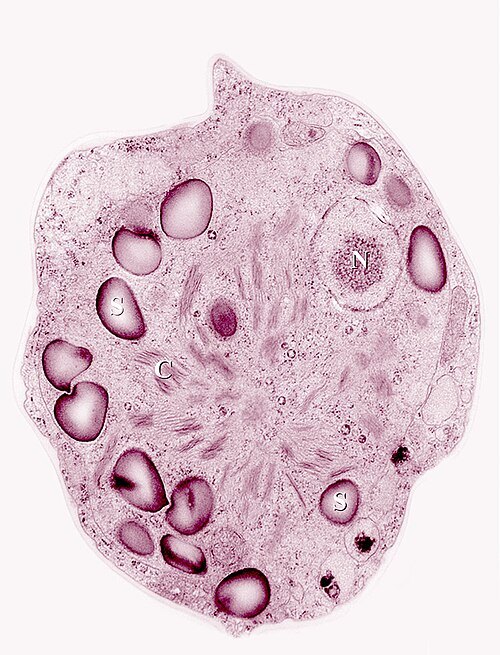
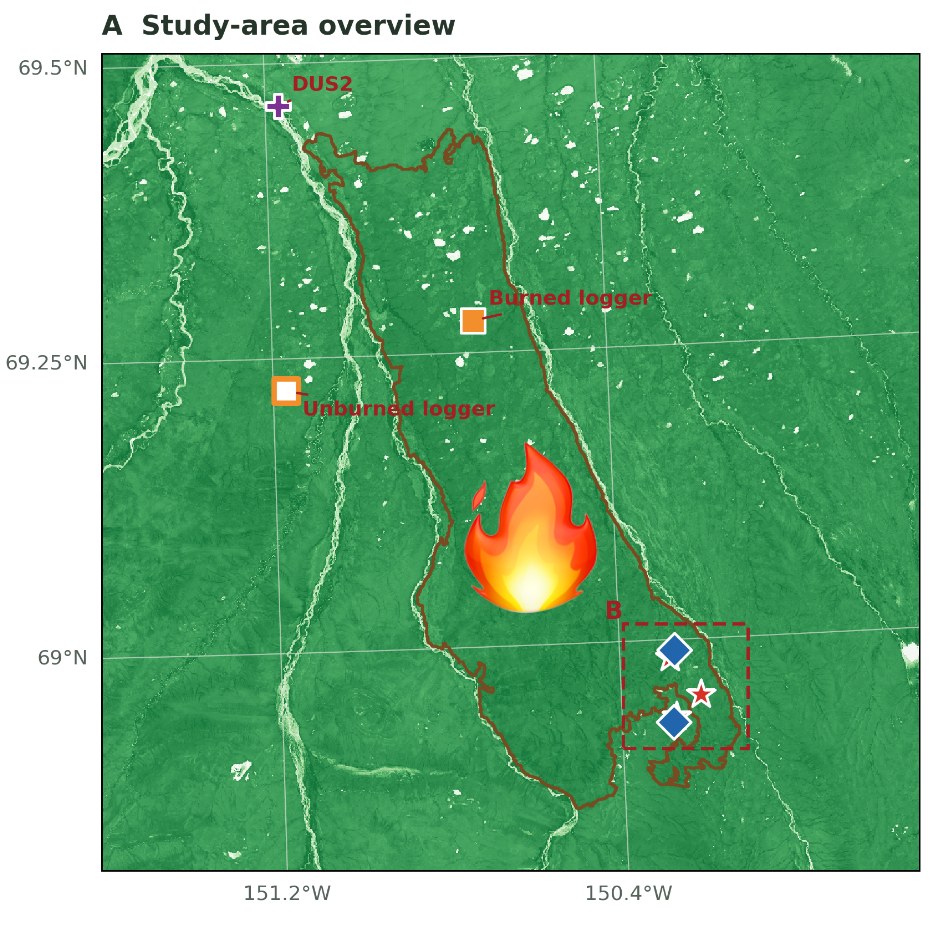
ARTECO combines field observations, remote sensing, and ecosystem modelling to investigate how changing vegetation and wildfire regimes affect Arctic permafrost, aiming to improve predictions of tundra recovery under climate change.

Darkening the Arctic: Bioalbedo Feedbacks from Snow and Ice Algae
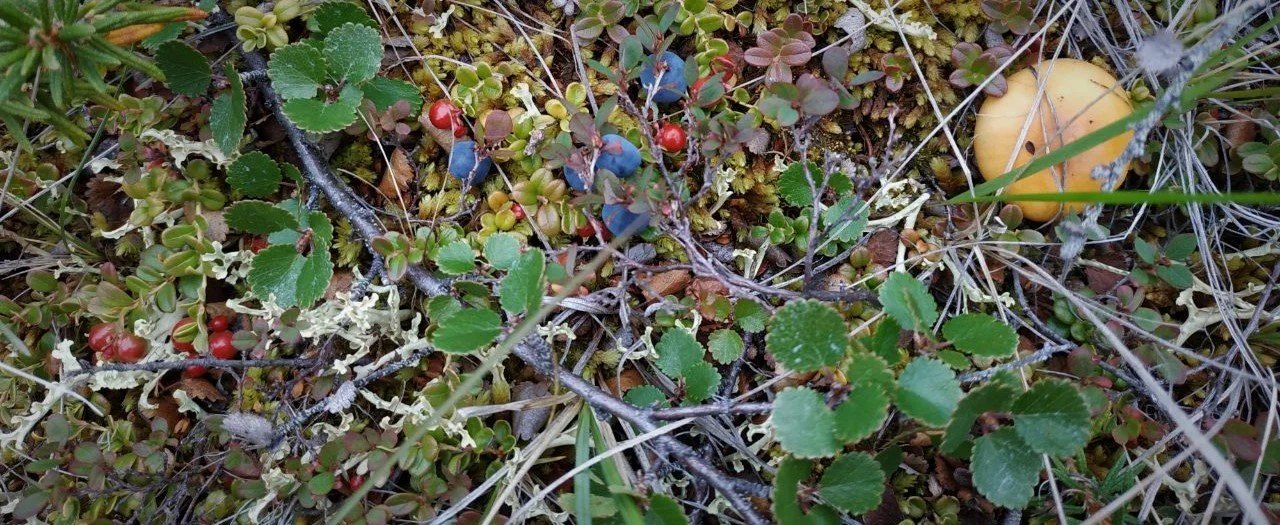
Snow and glacier algae darken snow and ice surfaces, accelerating melting and potentially amplifying climate change. Together with our project partners, we investigate how these algae may spread across Greenland under future climate scenarios and how they could affect the Arctic climate. By combining field observations, satellite remote sensing, species distribution modelling and Earth system modelling, we aim to better understand and predict these climate feedbacks.

See our upcoming ISAR-9 session S10.

Towards terrestrial Arctic conservation framework
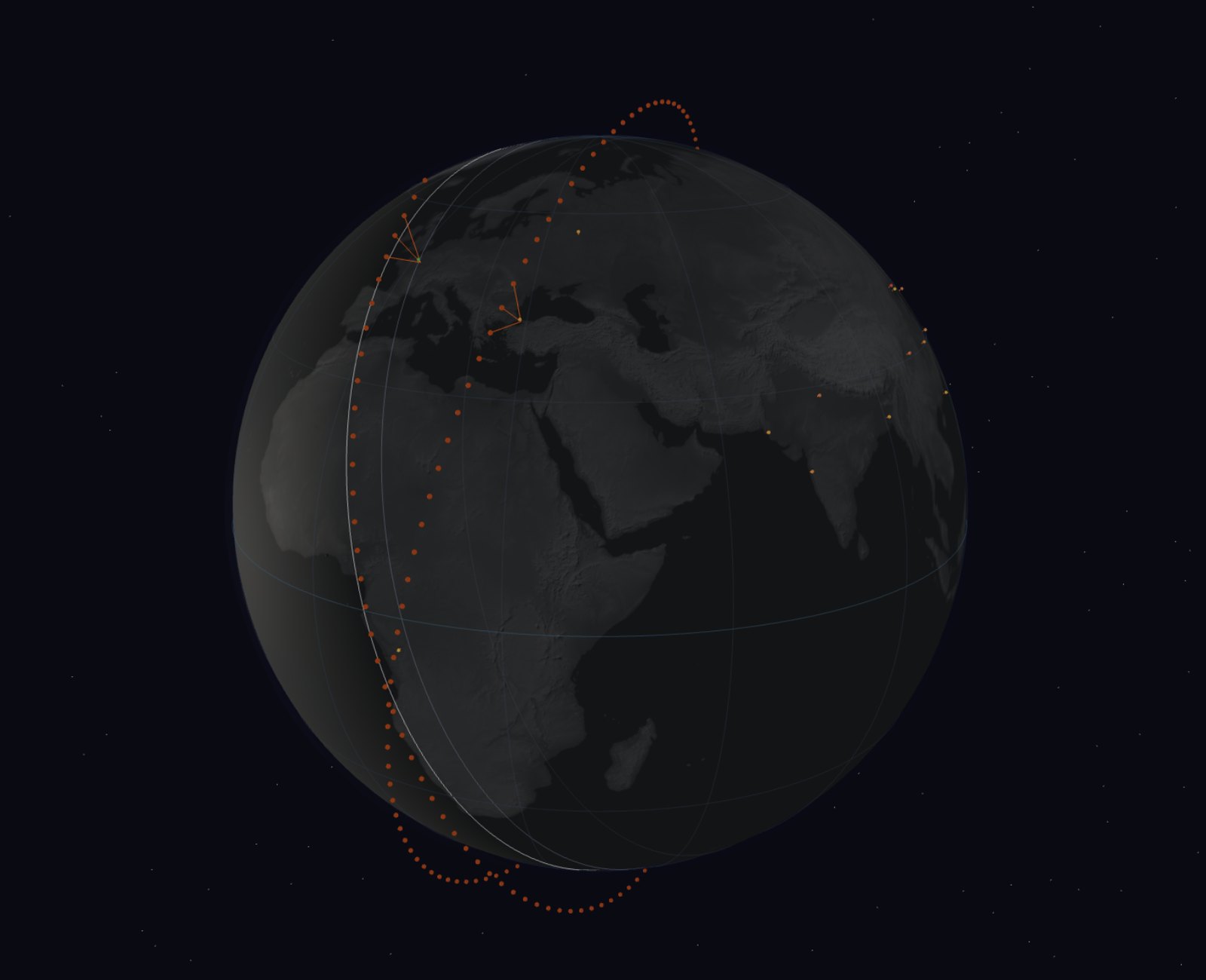
Building on the work of the Circumpolar Arctic Vegetation Science Initiative (CAVSI), we integrate the Arctic Vegetation Archive with other Arctic biodiversity data to support the conservation of Arctic ecosystems and their functions. Arctic lichens, bryophytes, and vascular plants provide vital forage and habitat for wildlife, sustain Indigenous livelihoods, and influence climate and permafrost dynamics through carbon, water, and energy fluxes.

We model species distributions and species richness of lichens, mosses, and vascular plants across the Arctic tundra, combining vegetation plot data with climate and topographic predictors. From these models, we identify biodiversity hotspots, project their changes under future climate scenarios, and compare them with the current network of protected areas to reveal gaps and opportunities for conservation. Crucially, we collaborate with Indigenous communities to ensure they are actively involved in setting conservation priorities. Through these efforts, we aim to support the Global Biodiversity Framework (GBF) 30x30 target across the terrestrial Arctic biome.

The Earth System in the Space Age

As human activity in space accelerates, the distinction between Earth and its orbital environment is blurring. Proposals to launch space mirrors that reflect sunlight onto the night side of Earth, alongside plans for more than a million satellites in low Earth orbit, could brighten night skies in ways never seen before. This project examines the environmental, ecological, and cultural impacts of light pollution from space, and works to integrate the rapidly changing near-Earth space environment into Earth system models.

Additional information

  • Sunlight on Demand? Rethinking the Promise and Risks of Space Mirrors (UZH Space news)
  • Under a False Moon (Collegium Helveticum fellowship project)

Vegetation greenness in response to muskox carcasses in the High-Arctic tundra
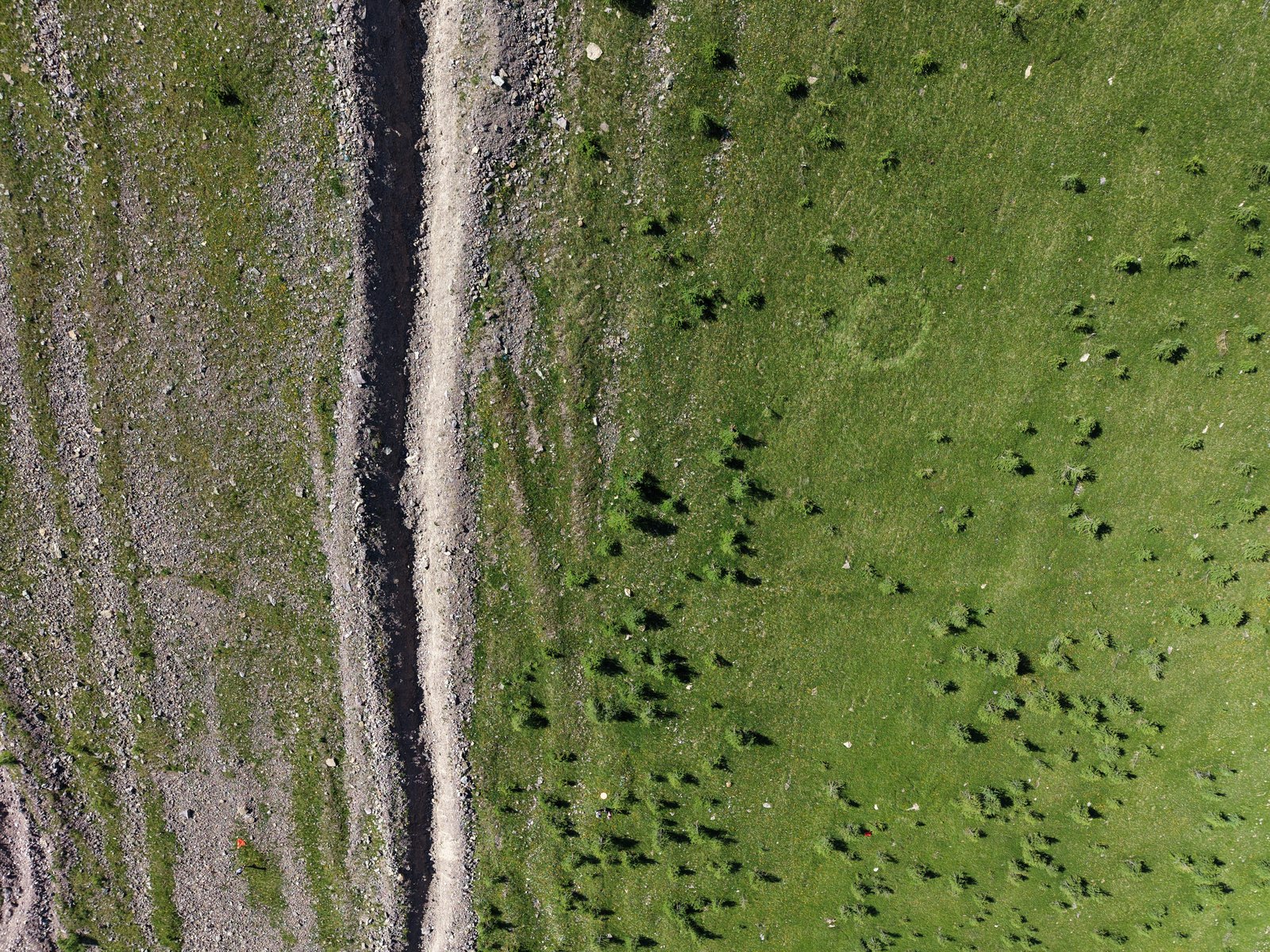
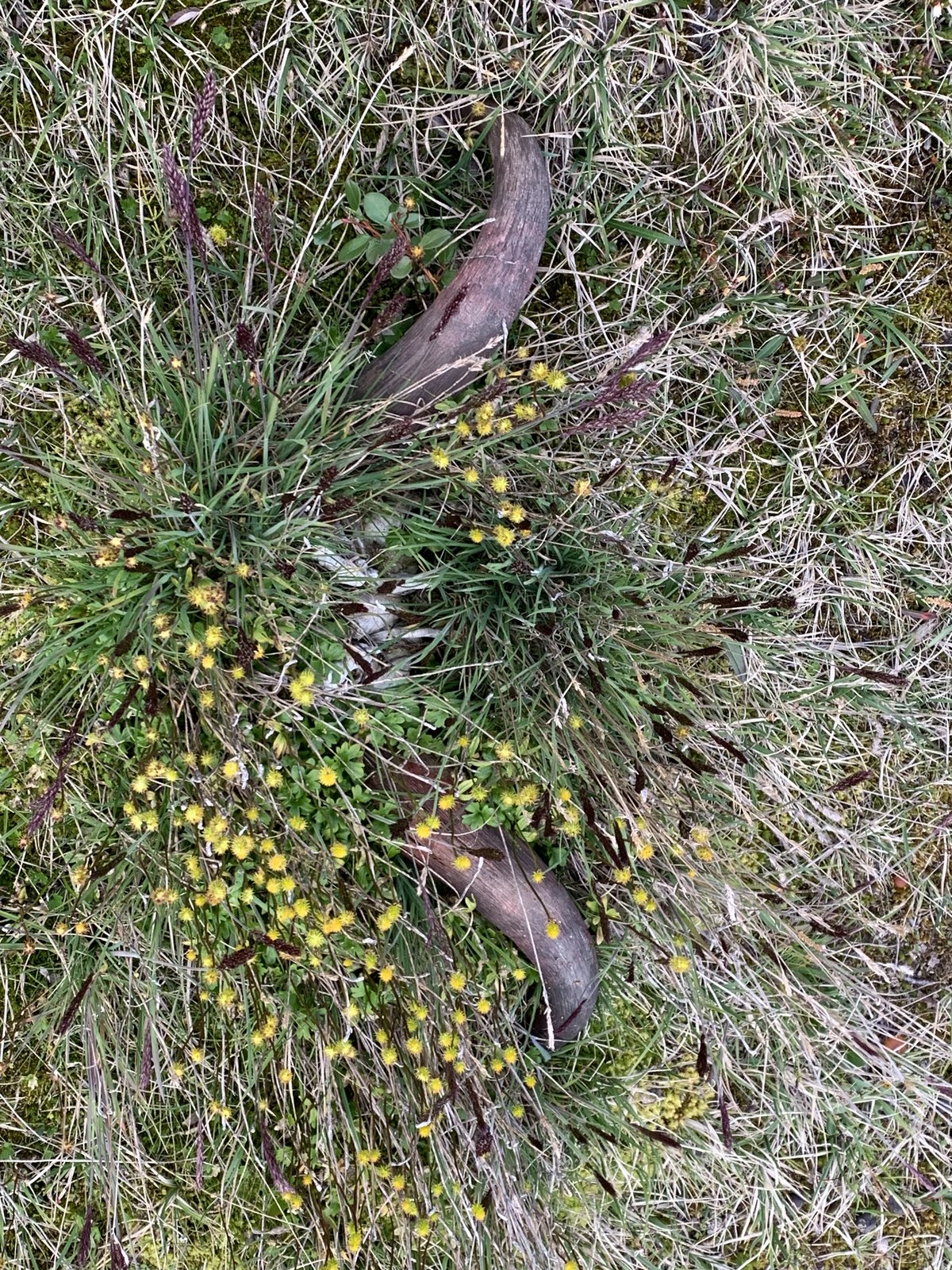
This study investigates the temporal effect of muskox carcasses on the Arctic vegetation greenness in the Zackenberg valley. A Pléiades Neo 3 multispectral satellite image from 2025 and 30 years of muskox carcass locations are used to quantify the carcass effect (difference of NDVI between carcass and paired control plot), and carcasses of different time since death are compared to infer temporal changes (space-for-time substitution). The study also examines how this carcass effect varies among landcover types and topographic conditions (elevation, slope, aspect and topographic wetness index) and between calf and adult carcasses. It also looks at the spatial distribution of the carcasses across the area.

The impact of mountain greening on the alpine plant diversity
Climate warming is leading to changes in mountain vegetation, including the upward migration of plant species, resulting in mountain greening. We investigate the impact of mountain greening on the alpine flora by combining ground truth data with remote sensing.

Vegetation surveys were conducted at alpine sites above 2000 m a.s.l. across the canton of Grisons. Site selection followed a stratified design based on three greenness categories (always grey, newly green, always green), and field RGB images documented the current greenness state for comparison with the remote-sensing data.

Association between Local Tree Sparrow Population Declines and Recent Changes in Agricultural Practices

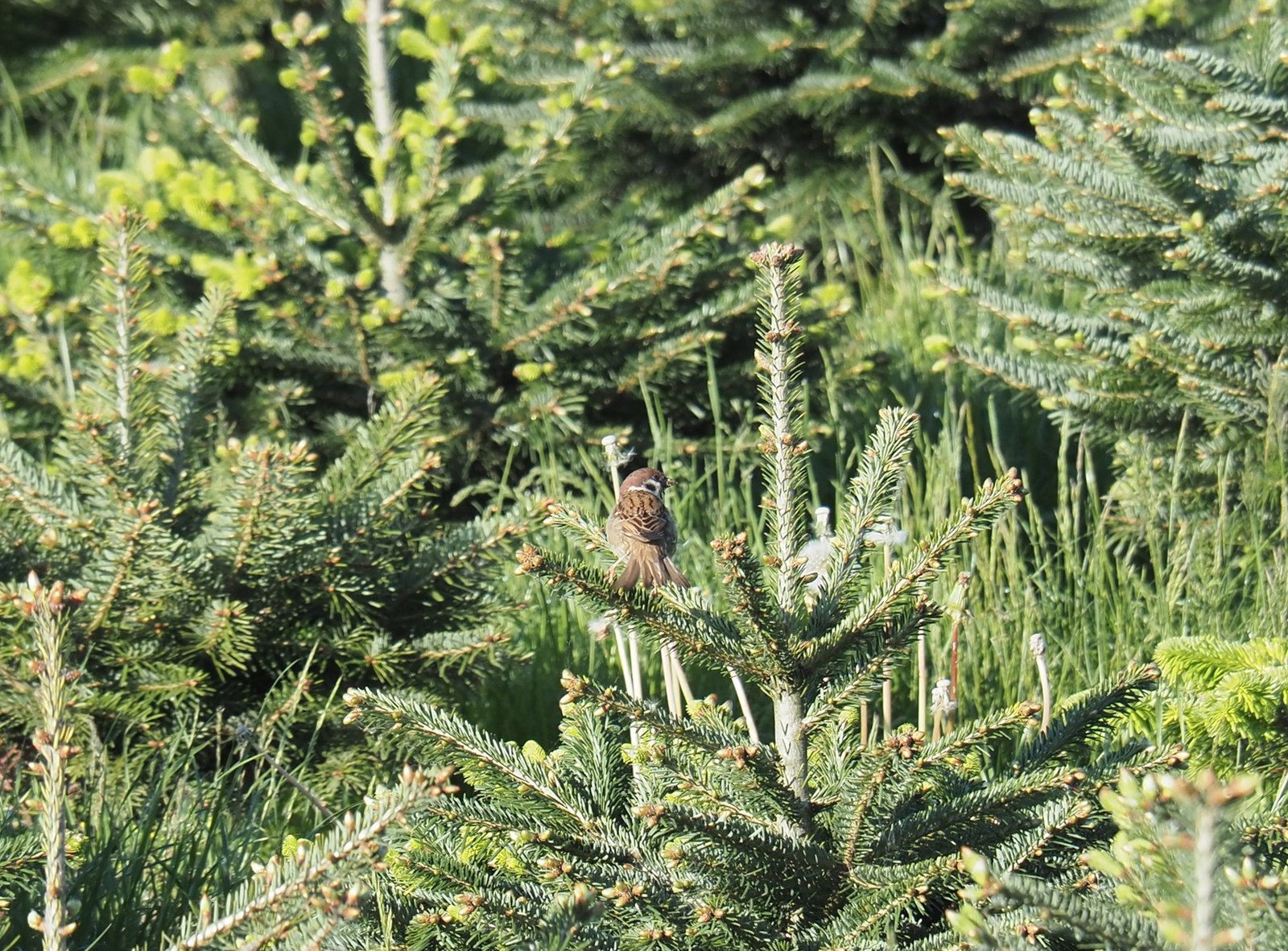
In collaboration with the Swiss Ornithological Institute in Sempach, we analyse the spatial and temporal variance in Tree Sparrow abundance from the Monitoring of common breeding birds (MHB) and relate it to temperature and agricultural intensification, including increased pesticide input, increased winter cereal cultivation and fewer vertical structures. We use long-term land-use data from Arealstatistik and short-term crop cultivation data for the past five years from BLW (e.g. winter wheat, intensive grassland cultivation).

Our team

Our Mission

Science

We contribute to understanding the Arctic as a system component by bridging disciplines and methodological approaches, sharing results and data through open science, and teaching across disciplines.

Science networks HiLDEN AVA EU-Charter Geoengineering

Society

We aim to address societal challenges at the nexus of climate and biodiversity, and to inform society through webinars, panel discussions and newspaper articles.

In the media UZH News The World SRF Tagesschau swissinfo: Arctic research swissinfo: biodiversity SCNAT

Policy

We contribute to international science-policy platforms, Arctic organisations and conventions on biodiversity.

Bodies IPBES IASC CAFF CBD WBF

Earth System Science Lab · Department of Evolutionary Biology and Environmental Studies · University of Zurich


Contact · Imprint & privacy